techstack
Corporate portal for Strategic Technology Partner — Techstack
Industry
Technologies, IT-outsource, Software Development
Client:
Strategic Technology Partner Techstack
Goal:
Corporate website, migration to Webflow
Year of implementation:
2025
Background
Techstack, an international product engineering company headquartered in Wrocław (Poland), holds strong positions in Western markets. At the same time, the company is actively executing a strategy aimed at dominating the United States and European Union (EU) markets, focusing on priority technology domains and high development standards.
The client’s website was built using a traditional technology stack: React + CMS Ghost / Contentful. Significant resources had been invested in the project’s development, allowing it to achieve strong SEO positions across a number of priority search queries.
However, the key obstacle for the internal marketing team became a critical dependency on technical staff. This significantly complicated rapid website scaling, fast implementation of A/B testing, and independent deployment of new landing pages.
From the first introduction to full collaboration, we conducted a series of consultations and went through two conditional interviews with the client’s technical team. This allowed both sides to confirm team compatibility and ensure our ability to meet all project requirements.
Before signing a contract, you should be confident in the expertise of the selected contractor. In our practice, preliminary consultations are a standard step that leads to successful partnerships.
Key tasks
migration
page builder
Services:
Webflow Development
Tools and technologies:
Webflow, Javascript, GSAP, Splide, Lenis, jQuery
Task
The client set the following requirements:
- Designing a component-based architecture intended to scale the project over several years.
- Iterative development of new pages aligned with marketing priorities.
- Adaptation for all types of tablet and mobile devices.
- Server-side protection of forms from spam and bots. Integration with Slack.
- Implementation of multiple requirements from SEO contractors.
- Advanced SEO & Performance optimization
- GDPR-compliant cookie consent implementation.
- Integration with CMS Ghost to display relevant articles within the Webflow project.
- Development of a technical solution and interaction mechanism to ensure gradual migration of the project to Webflow without loss of SEO rankings, 404 / 301 errors, or degradation of user experience (in collaboration with the client’s technical team).
- Maintaining functional consistency of the project during migration.
- Creation of a component library with extensive customization and combination capabilities.
- Development of a Page Builder for static pages — a constructor for the marketing team that fully complies with the client’s requirements and design system.
Solution
The client expressed particular concern regarding pricing transparency and flawless execution quality.
To address these concerns and demonstrate our expertise, we proposed a pilot project: implementation of one key page at a fixed price, fully aligned with the technical requirements.
This approach is our standard practice for key clients. It allows us to prove our competence in practice and convince demanding stakeholders with high execution standards of our ability to deliver top-tier quality.
Pilot project
Implemented:
- UI Kit based on the design system in Figma
- Pixel-perfect page development
- Adaptation for all tablet and mobile device types
- Functional animation
- Design of cross-page components
- Implementation of basic SEO QA team requirements
Neglecting project testing is a critical mistake. High-quality QA makes it possible to identify and fix issues that would otherwise become part of the user experience. The client’s team fully understood the importance of this stage.
After delivering the completed task, we received positive feedback and a “green light” to continue further work on the project.
Methodological approach: Sequential delivery (iterative development based on independent scopes of work).
Engagement model: Dedicated Team
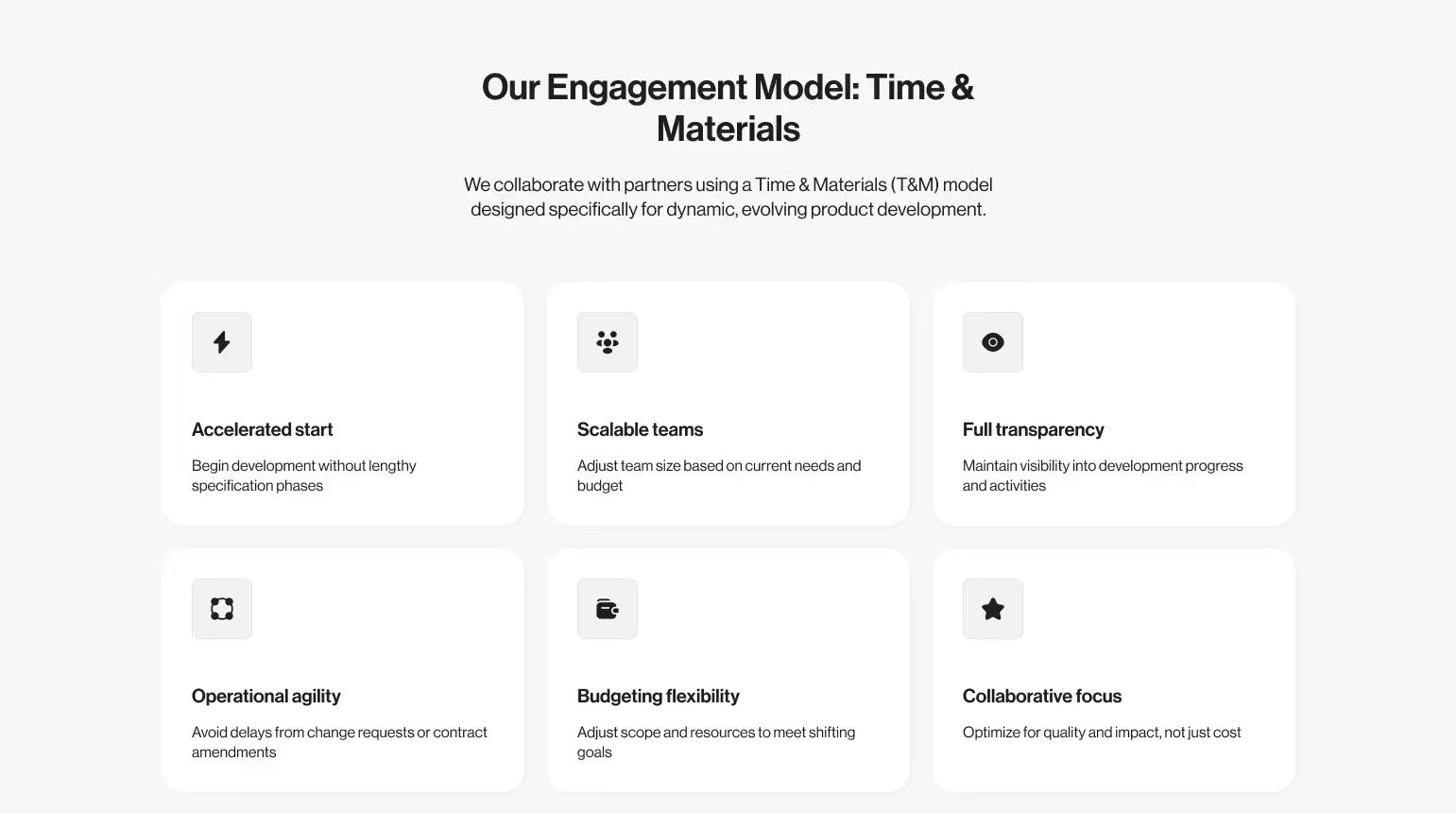
Pricing model: Time & Material
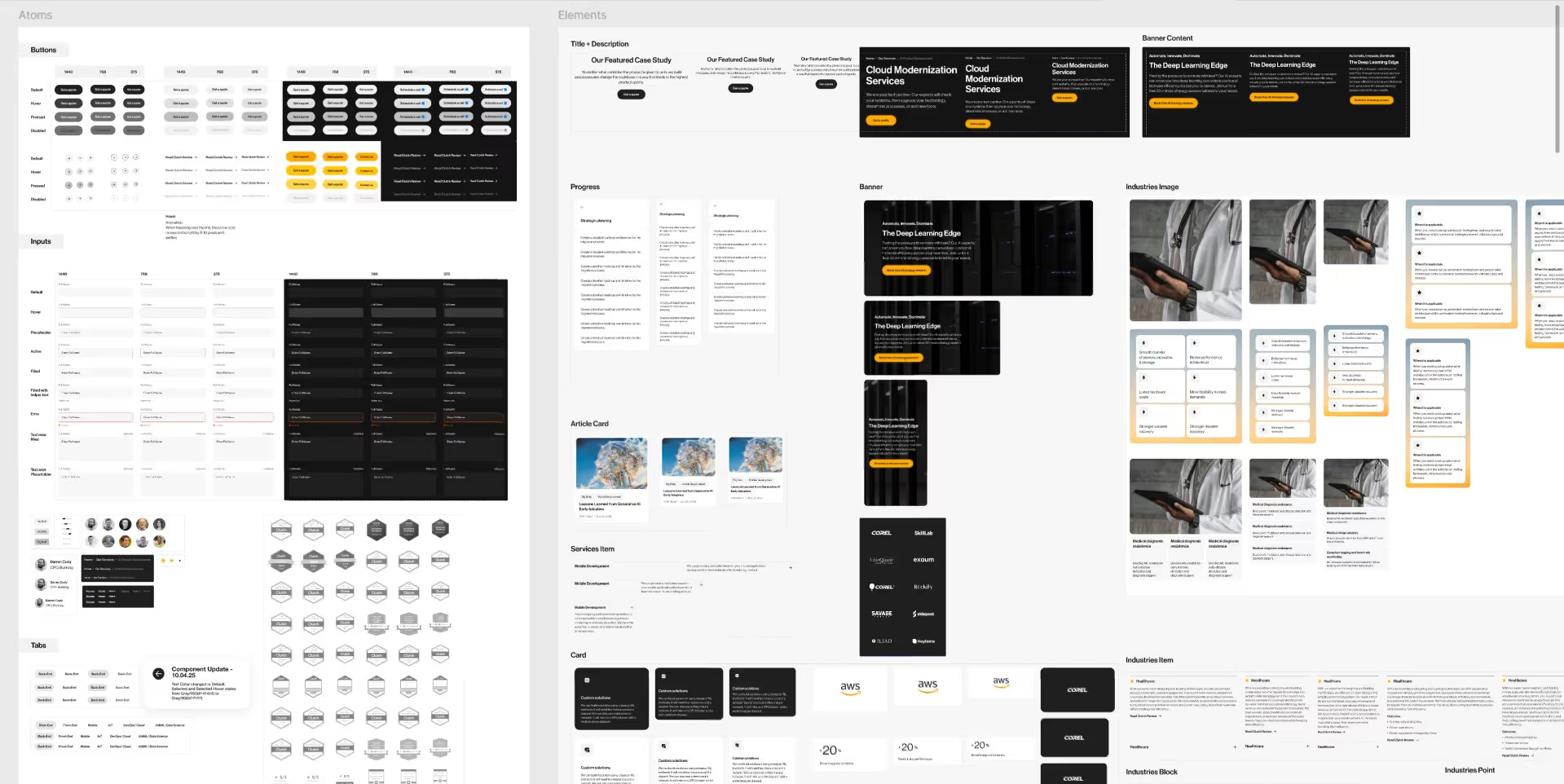
Highly developed project design system in Figma
Sequential implementation
Each subsequent scope provided by the client included 4–6 new pages along with functional tasks.
Project management at this stage became an exemplary case of coordinated collaboration, reaching a near-artistic level of execution.
Effective management was based on synchronous communication in Slack and structured task management through Jira. This ensured a high level of organization and control throughout all implementation stages, minimizing bureaucracy and allowing the team to focus on results.
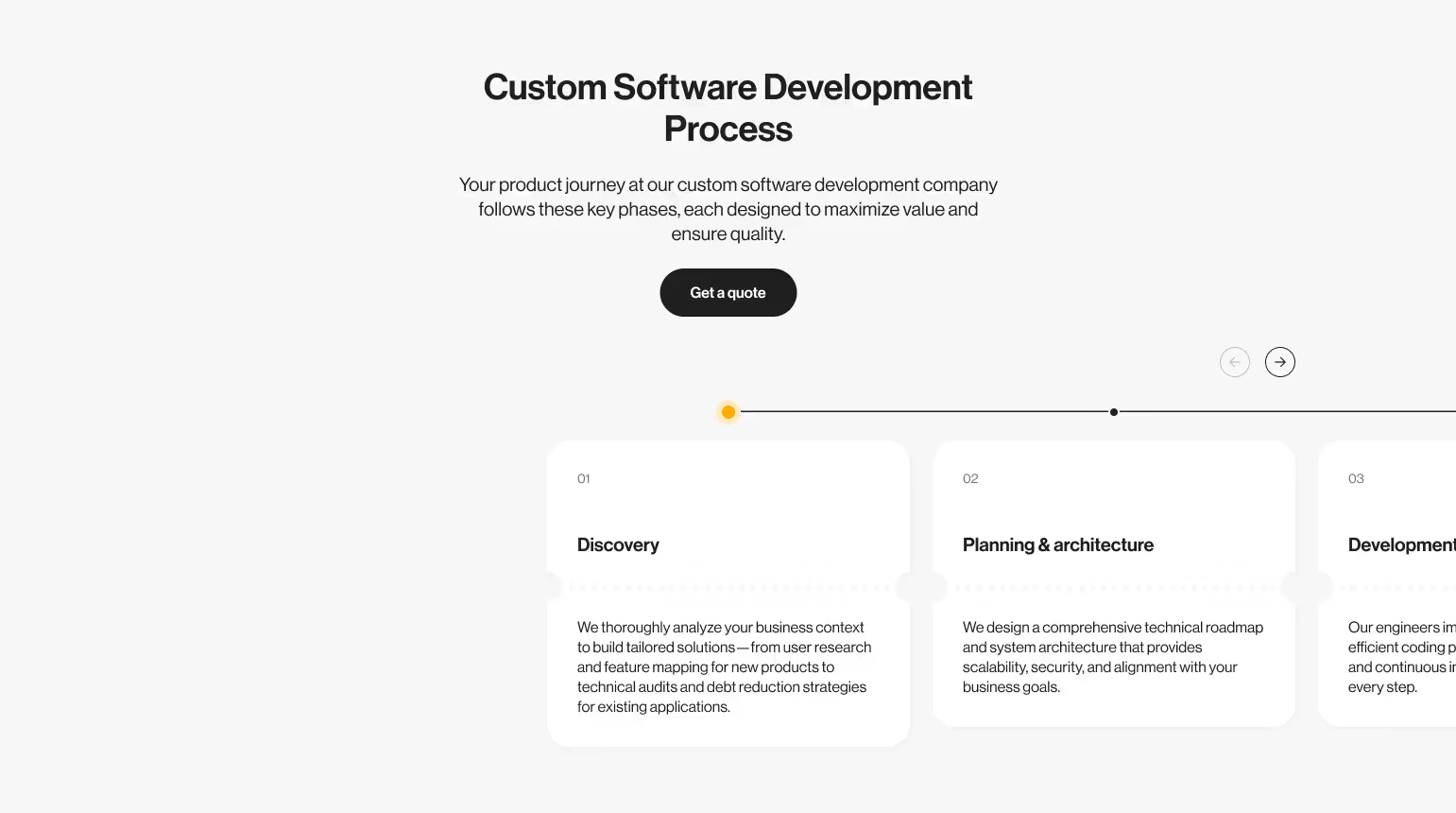
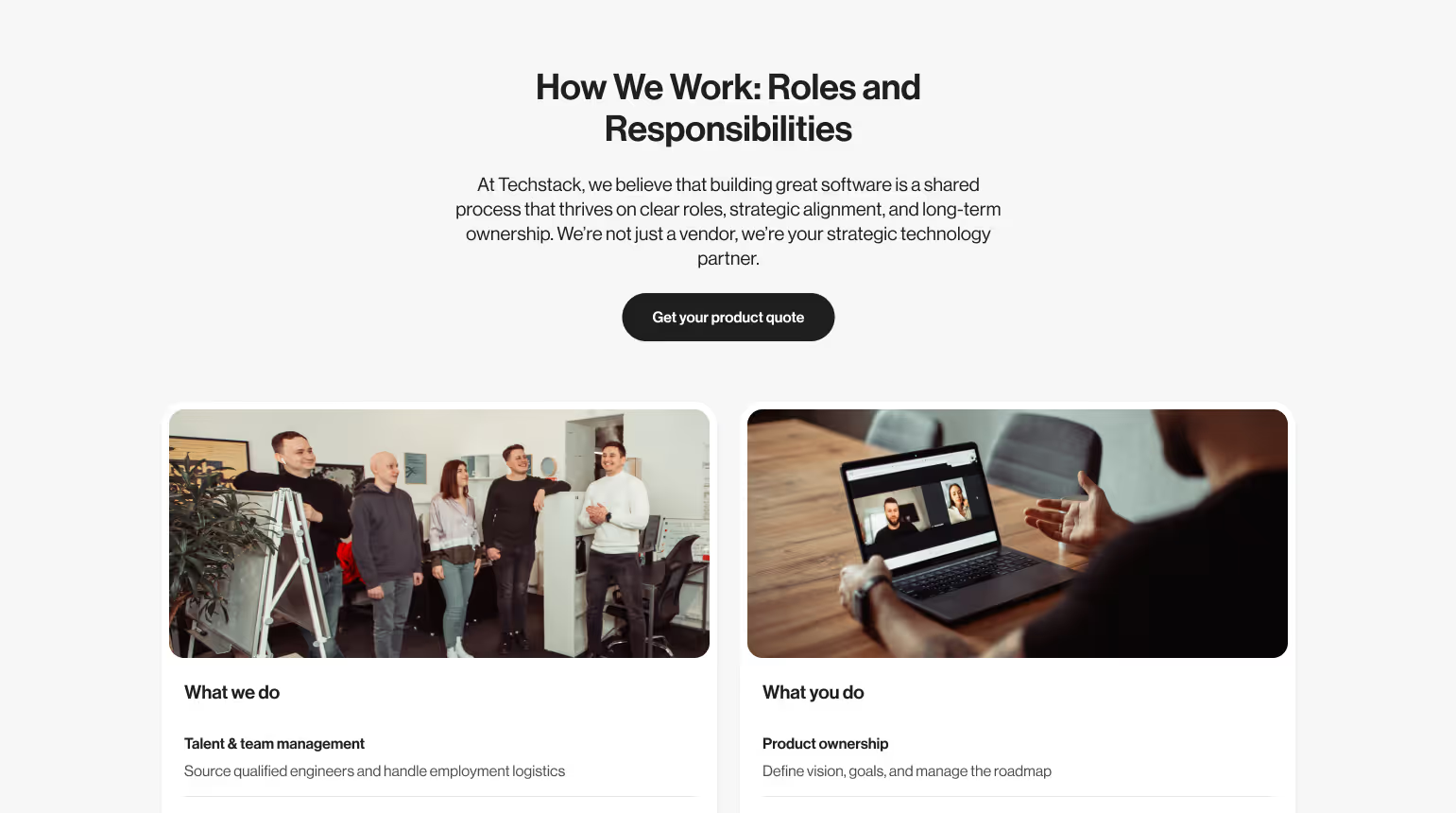
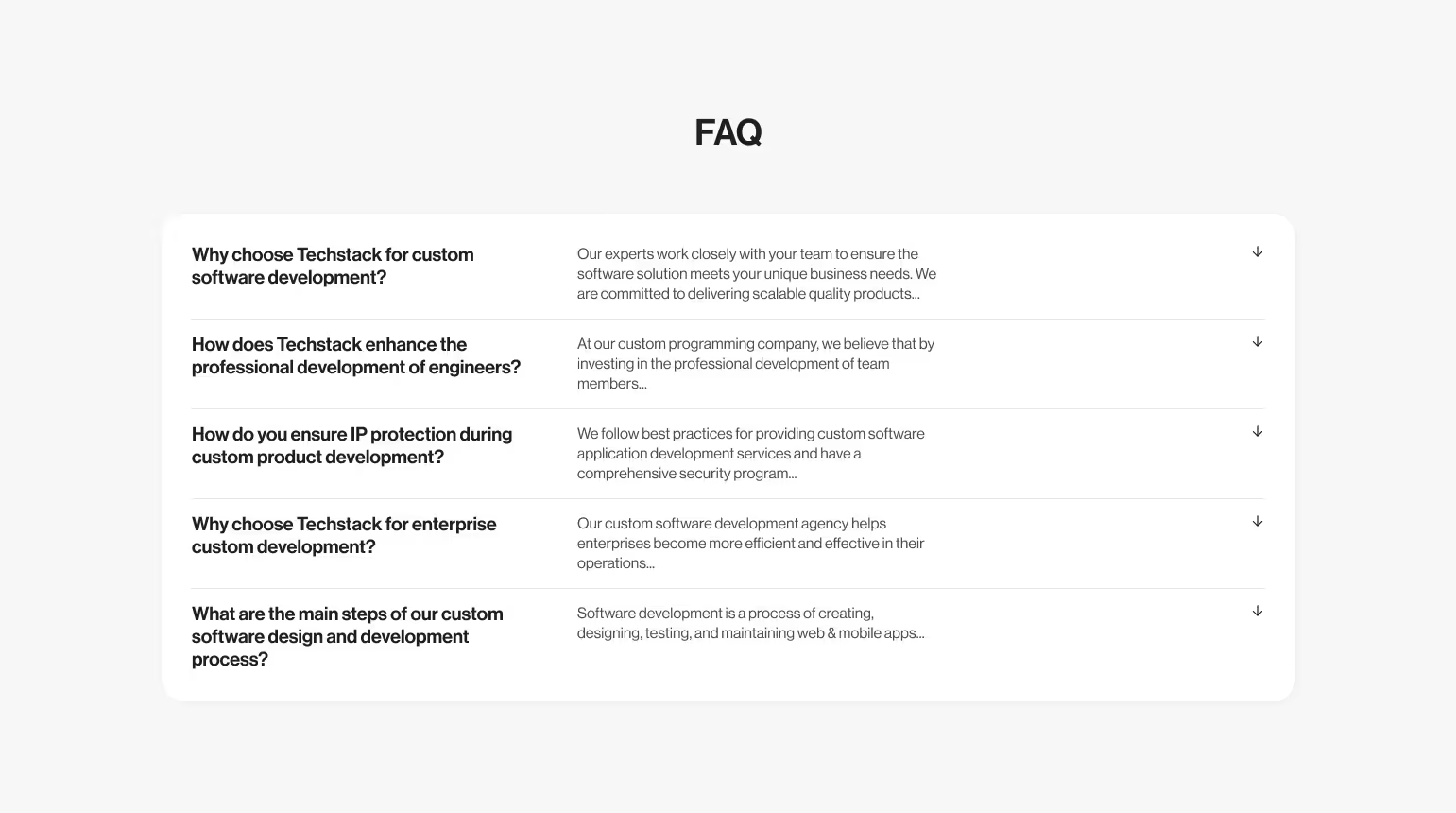
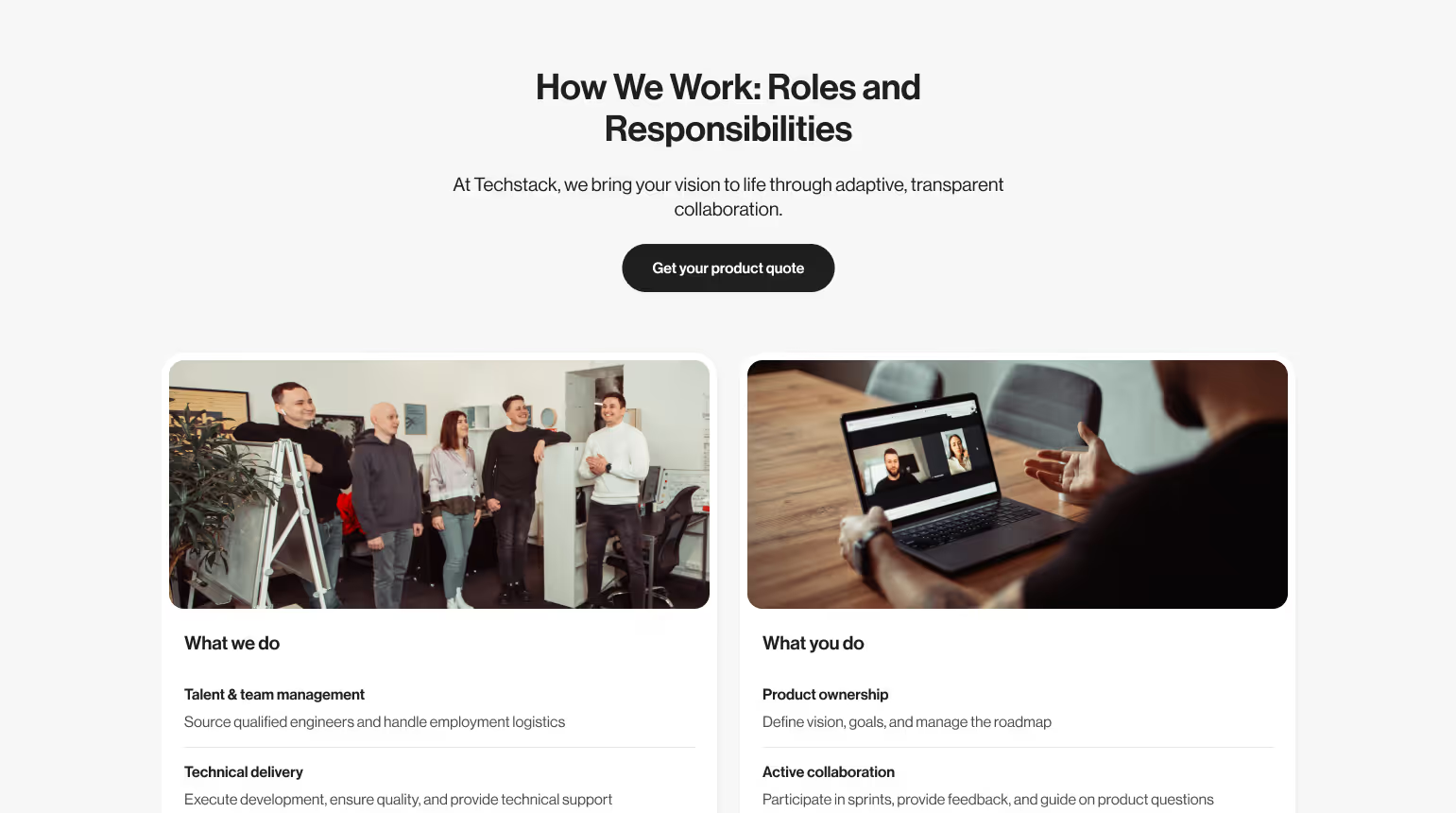
In parallel, within each scope we continuously refined components:
- introduced new properties for fast instance customization
- designed new style variations
- enabled cross-component integration
- systematized the component library
- documented components for non-technical team members
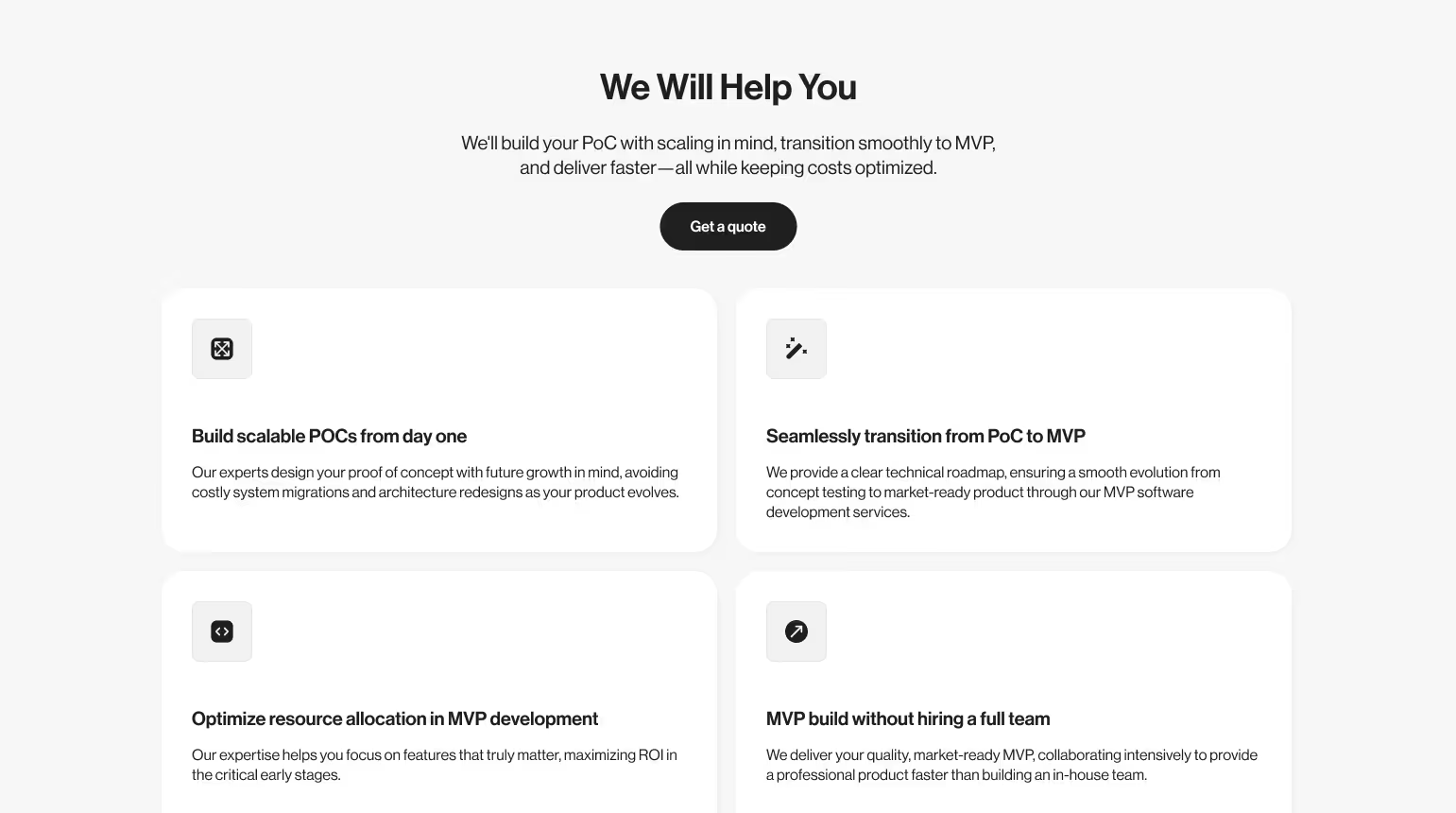
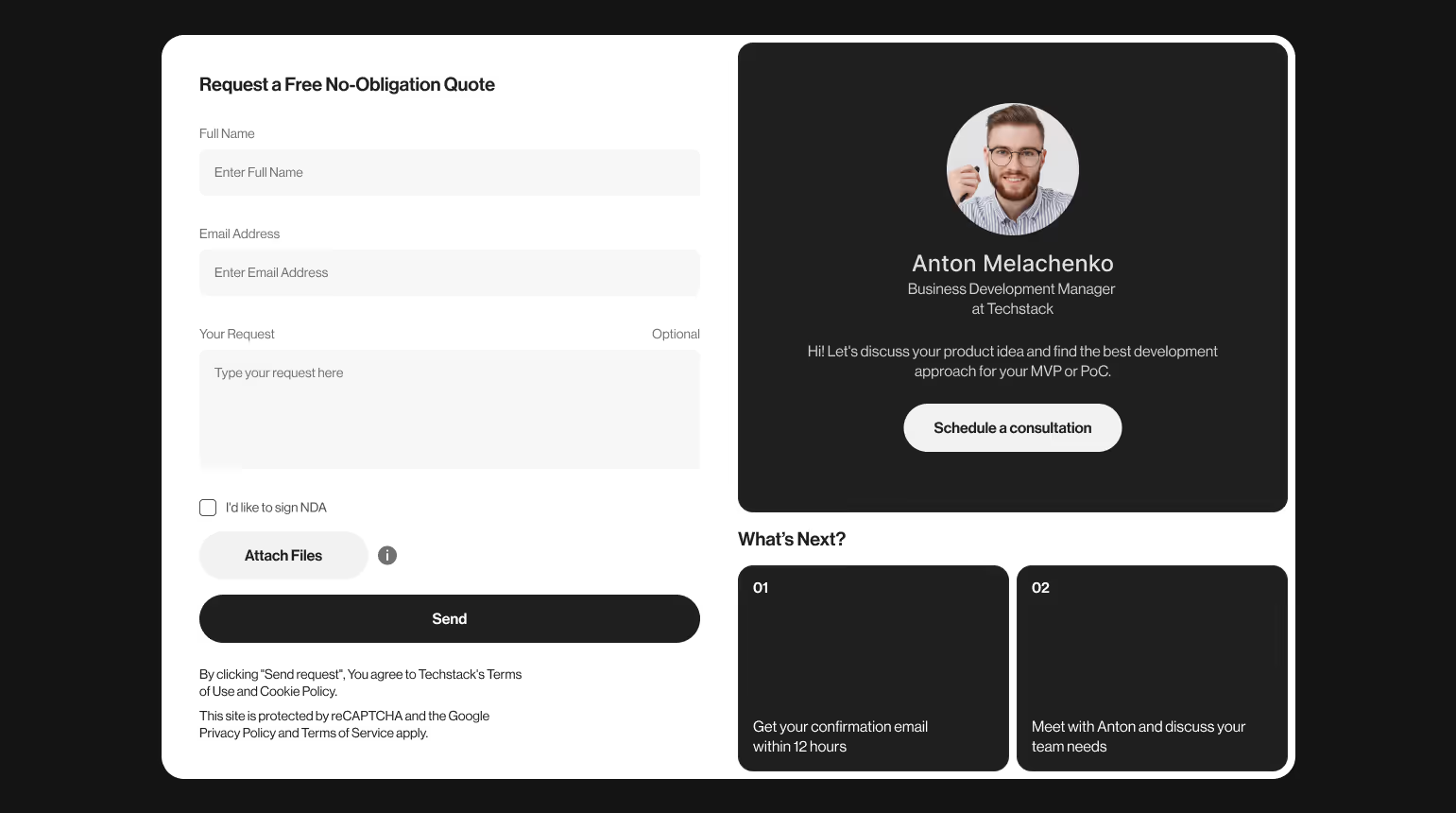
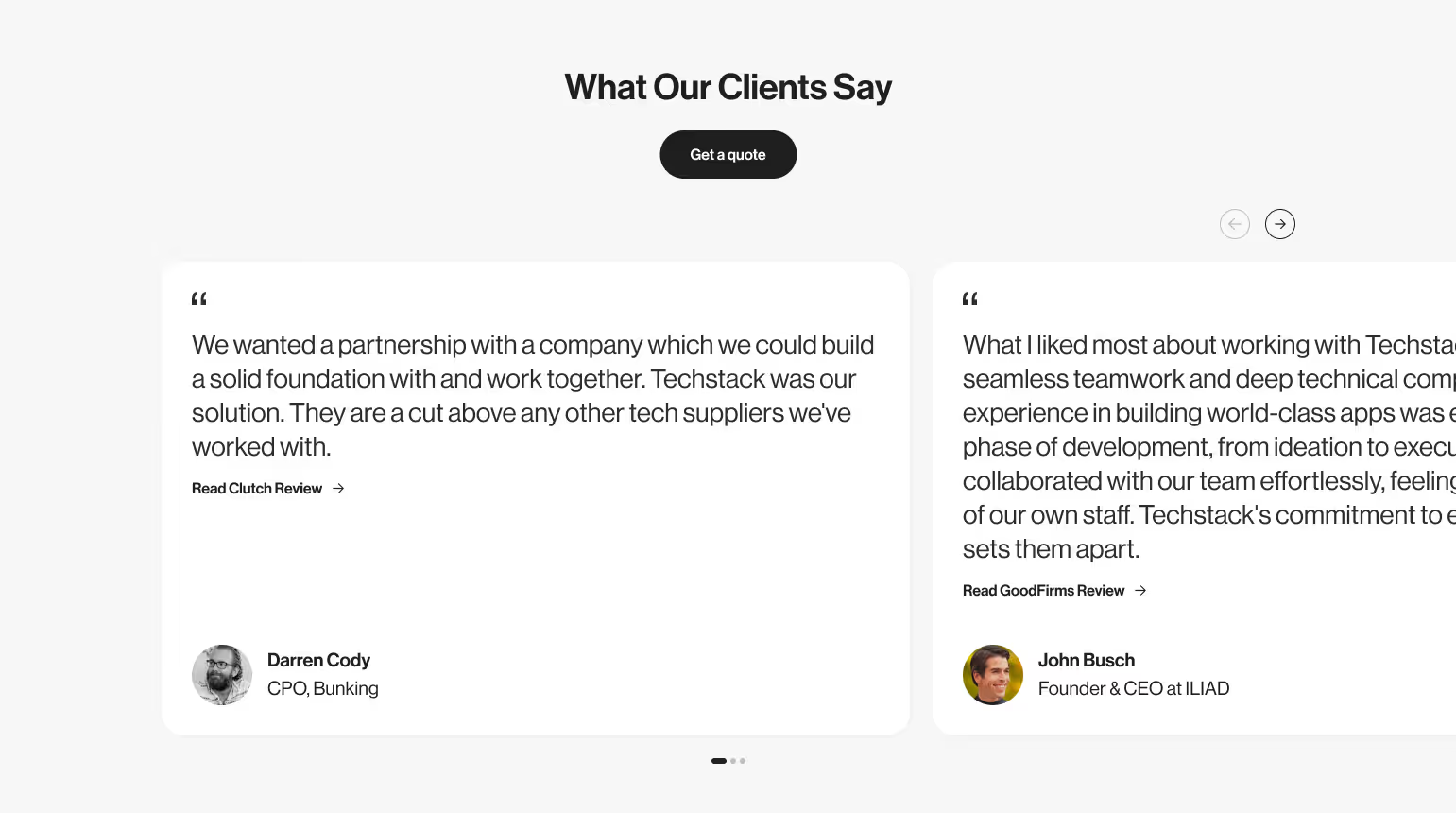
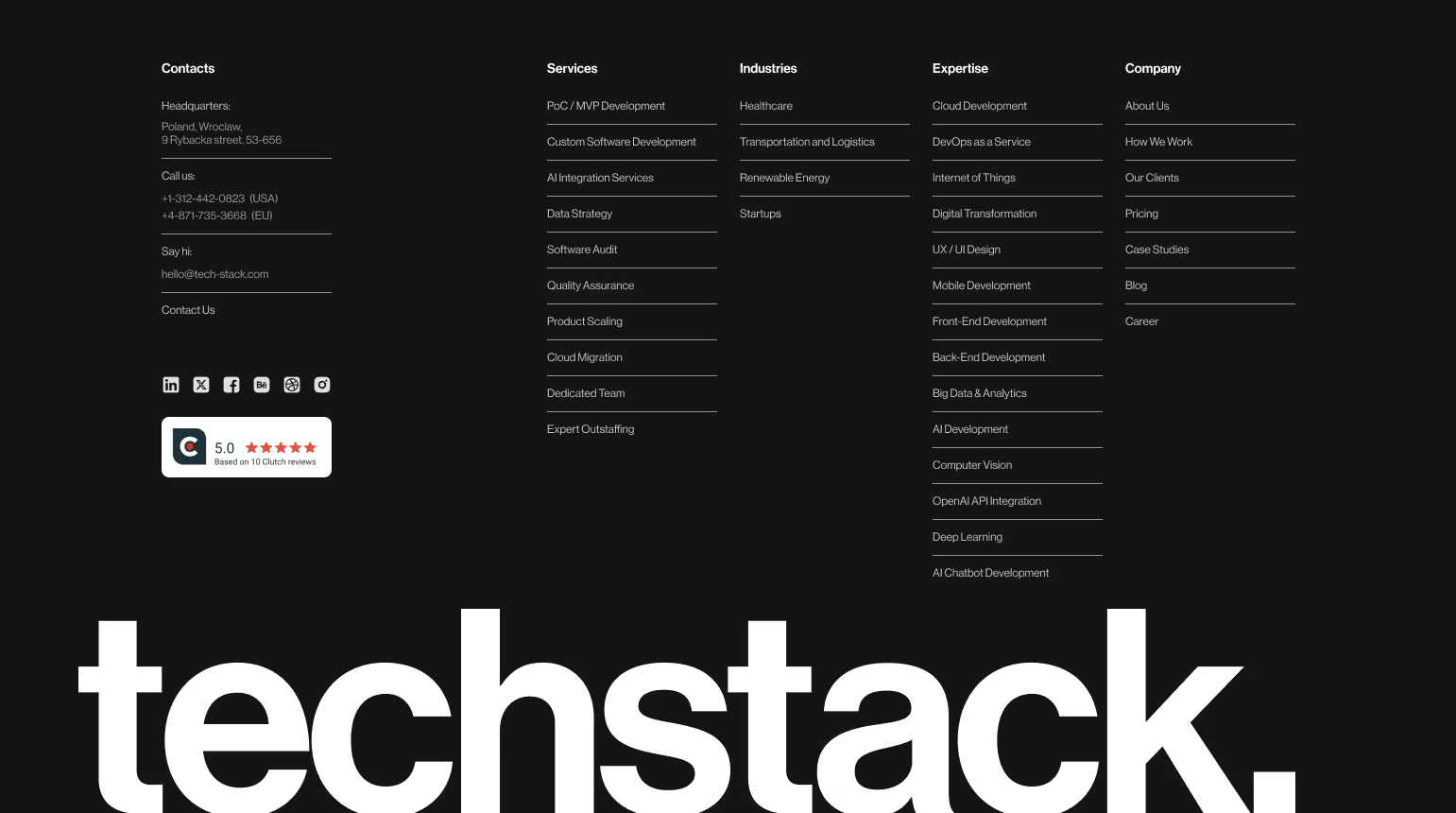
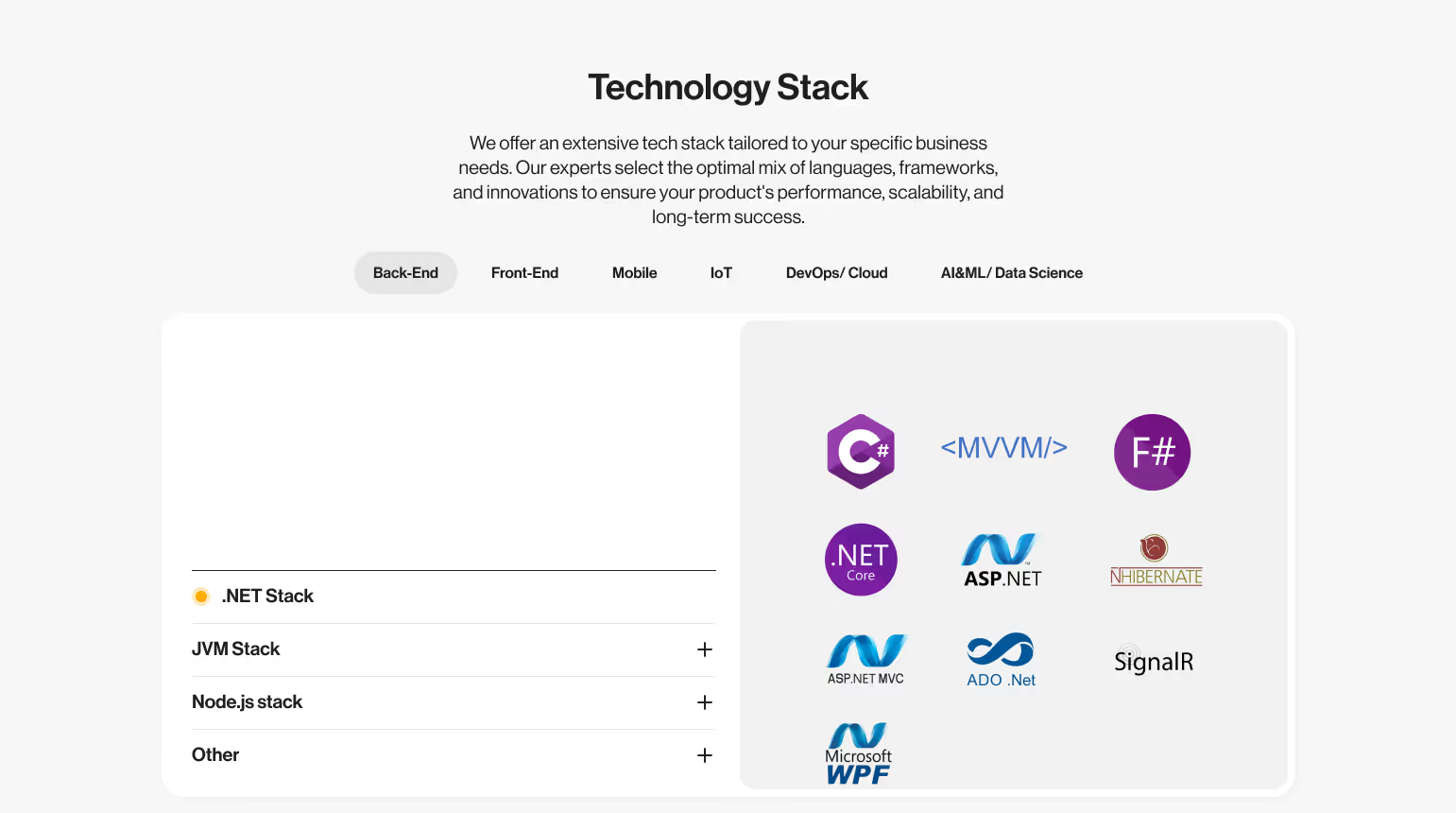
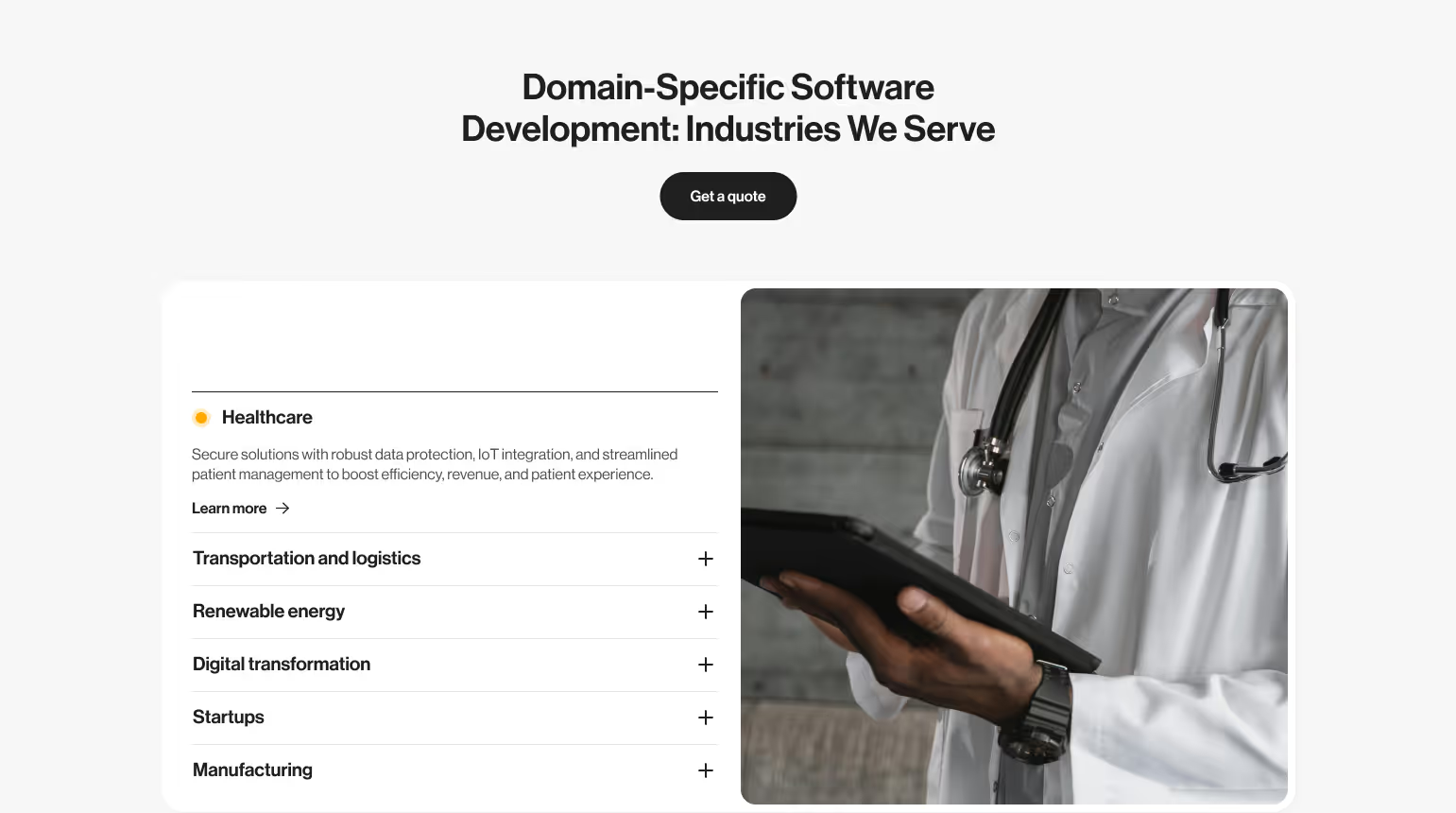
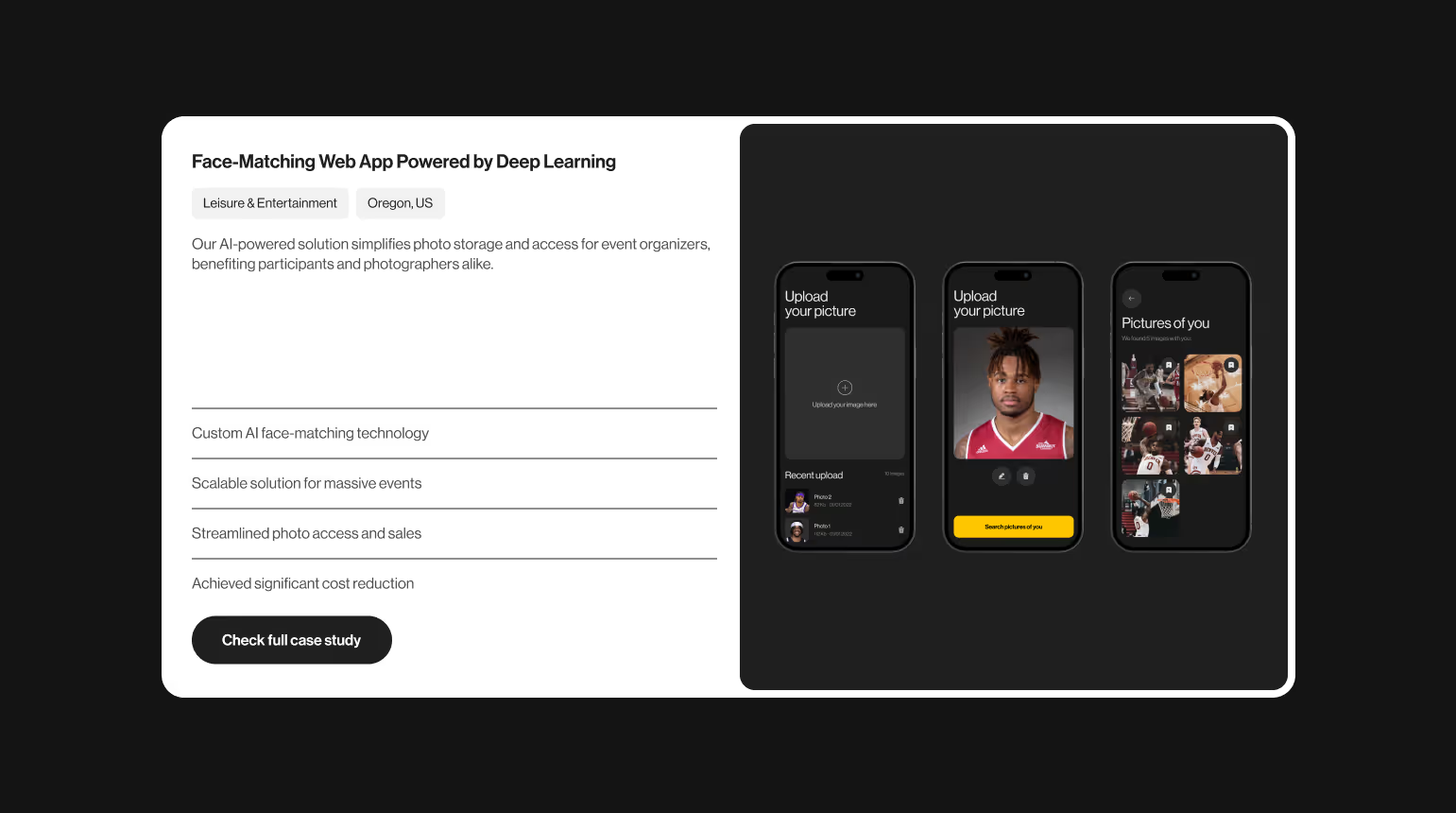
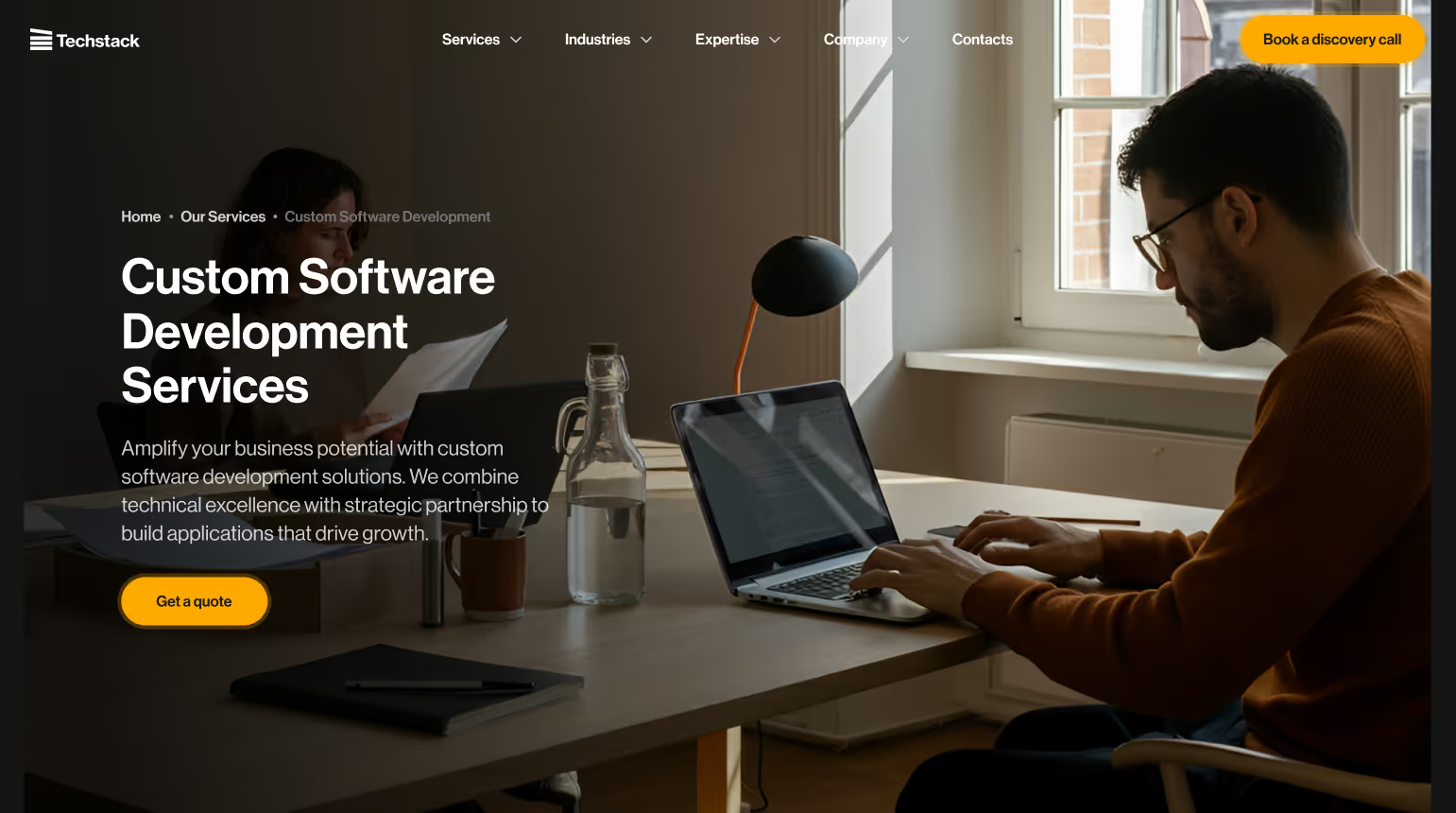
Architecture
Future-oriented architecture
At that time, we were not yet aware of the client’s ambitious long-term goal (revealed later), but we proactively laid the foundation for complete design consistency.
Our strategy focused on maximum interface componentization: the more modules, blocks, and sections encapsulated into reusable components, the fewer opportunities remain for functional errors or visual inconsistency during future project growth.
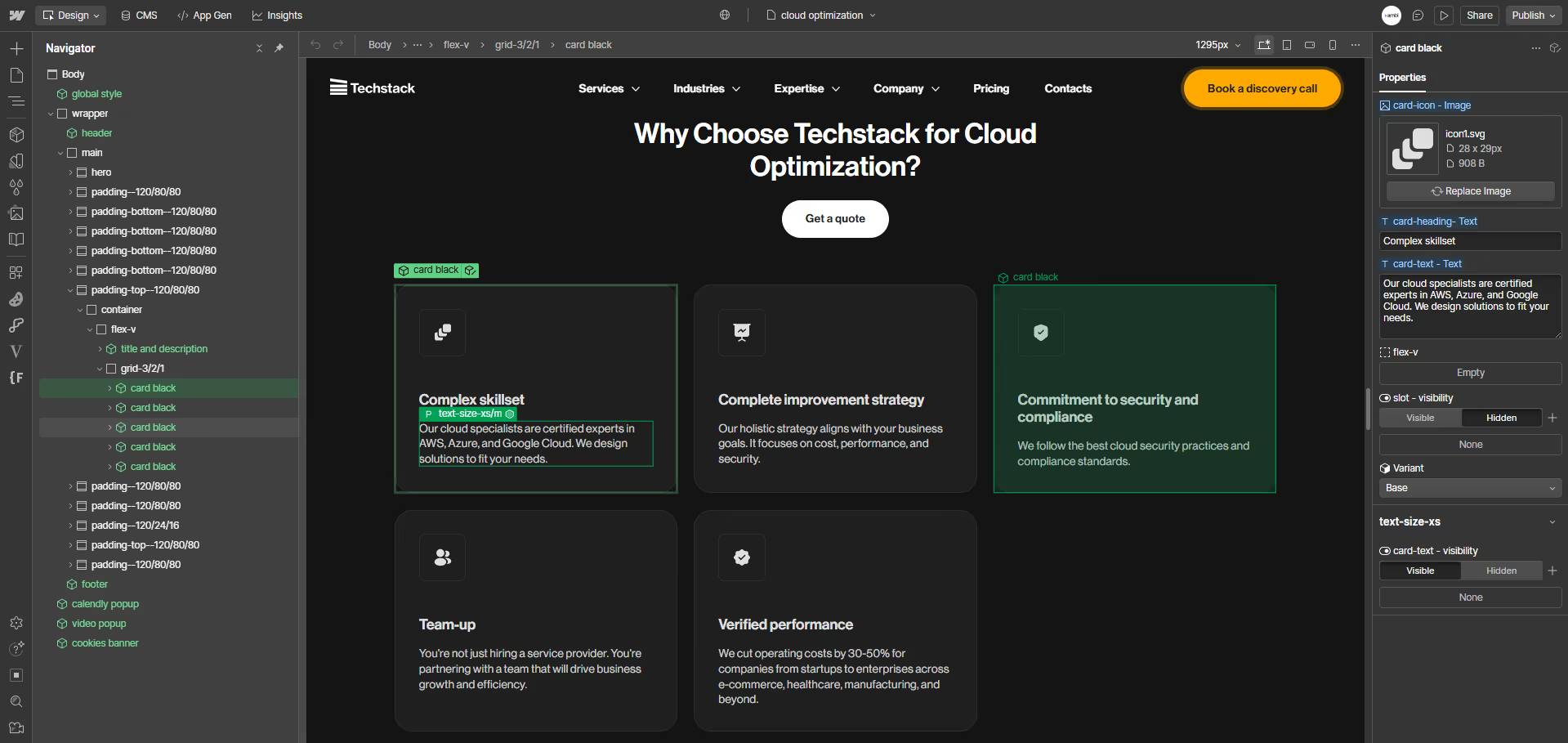
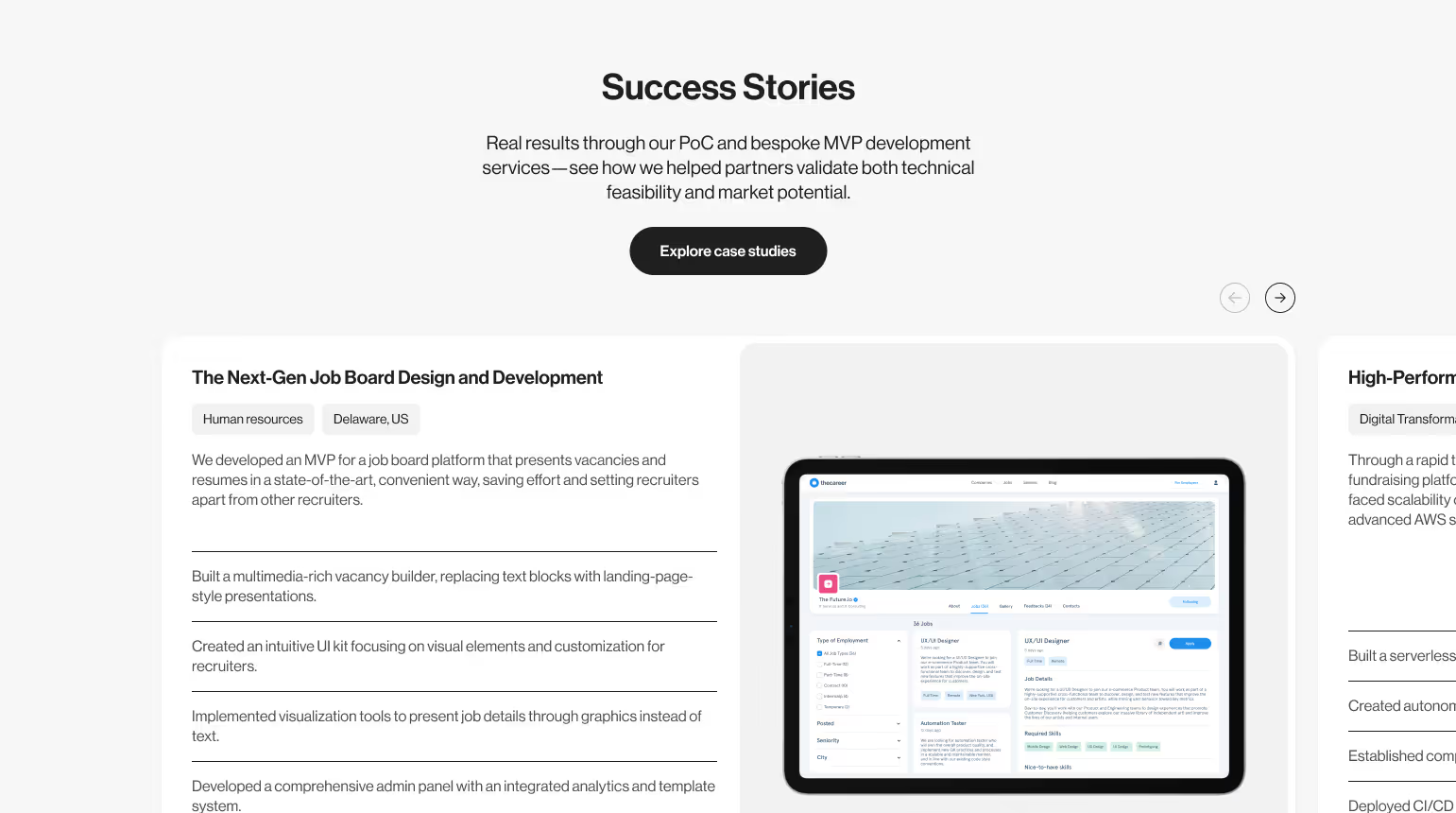
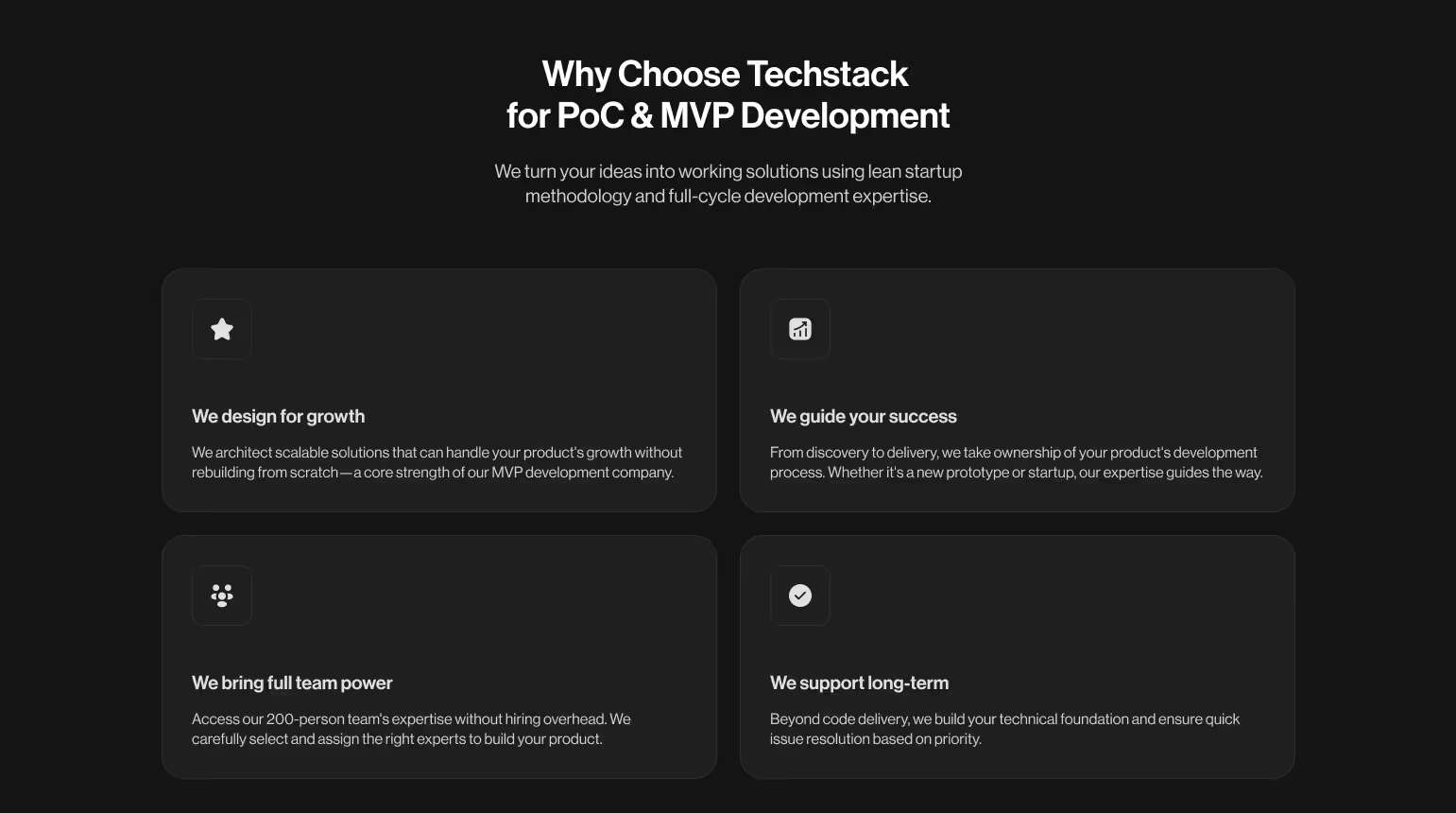
Example of a component-driven approach
Migration
Seamless migration to Webflow
After implementing a critical number of pages on the new platform, the task arose to perform a seamless (phased) migration without transferring the entire domain to Webflow. Together with the client’s technical team, we implemented a non-trivial solution based on a Reverse Proxy server.
How it works:
1. When a request is sent to a specific URL on the existing hosting environment, the proxy server first checks whether the requested path corresponds to a new page implemented in Webflow.
If it matches, the proxy server silently requests the page from Webflow hosting, caches it, and serves it to the end user under the original domain.
This approach allowed updated pages to be released gradually in live mode while preserving SEO rankings and maintaining full domain consistency throughout the transition period.
Project Workspace
Server Validation
Server-side validation and Slack integration
One of the key architectural solutions was the implementation of server-side validation using reCAPTCHA v3. Since Webflow does not provide direct access to its backend for complex verification processes, we used Netlify Functions as a serverless backend function.
How it works: after form submission, a backend function on Netlify verifies the sender’s reliability (whether it is a real user or a bot) via reCAPTCHA.
Result for the client:
Operational speed: all verified and high-quality submissions are instantly sent to a dedicated Slack channel, enabling immediate response from the marketing team.
Reliability: Webflow stores all submitted data without exception, serving as both a backup and a source for further traffic analysis.
Cookie Consent
GDPR-compliant Cookie Consent
Work on the Cookie Consent mechanism was critically important and consisted of two phases:
Phase 1: ensuring seamless migration
Additionally, any change made by a user on the “Privacy Policy” page had to be instantly synchronized for newly released pages.
Phase 2: final independent solution
After completing the migration, we deployed a fully independent and optimized cookie banner functionality that complied with the Client’s technical requirements and all GDPR legal standards.
This ensured full legal compliance while maintaining maximum usability for end users.
Culmintaion
Implementation of a component-based Page Builder
The most ambitious part of the technical requirements emerged only at the end of the ninth month of collaboration. The client set us a “challenge task”: implementation of a multifunctional component-based Page Builder for static pages, built on the design system already used in the project.
Key objective:
The client needed the ability to freely build new landing pages using any existing website modules, quickly modifying content, visual parameters, and functional settings. The main requirement: all work had to take place in a completely safe environment (Webflow Build mode), eliminating any risk of damaging the core project.
Architectural advantage:
This task became a true validation of our initial concept. We proved its viability: without implementing a component-based architecture from the very beginning, building such a constructor would have been impossible. We had to anticipate and implement maximum customization, composition, and styling capabilities, develop static Page Templates, and restrict the builder environment using dedicated containers.
Result and feedback:
This stage of the project was exceptionally engaging — a true forward-thinking challenge requiring anticipation of all possible usage scenarios. We successfully completed the task. After presenting the Page Builder, the client’s team provided highly enthusiastic feedback, which became the highest recognition of our foresight and professionalism.
Final Stage
Knowledge transfer and client team training
According to the Product Requirement Document (PRD), an important part of the project was ensuring full independence of the client’s team in managing the updated website. Our knowledge transfer process was comprehensive:
- Technical documentation: we thoroughly documented all components and commented scripts to ensure complete understanding of the project architecture.
- Training materials: comprehensive video tutorials were prepared for effective platform usage.
- Collaborative onboarding: a joint training session (call) was conducted with the client’s team for hands-on learning.
- Advanced education: the client’s primary content editor successfully completed the Webflow Fundamentals course at our school, ensuring a high level of internal expertise.
- Post-release support: we continue to provide free technical support to client representatives, demonstrating ongoing care and long-term partnership.
It was extremely important for us that the client felt fully supported. The fact that the project is now successfully evolving without our direct involvement is the best proof of achieving the desired result and a successful knowledge transfer.
The project lasted 11 months and covered 12 work scopes.
53
Unique pages
99
99 unique components created (up to 655 instances per component)
758
Hours of work
Audit
Audit and optimization:
During implementation, the client initiated several Performance and SEO audits. We promptly carried out additional improvements to consistently enhance Core Web Vitals and SEO metrics, confirming our commitment to the highest quality standards.
Conclusion
We successfully brought to life an extremely ambitious project that is now rapidly evolving using only the resources of the client’s non-technical in-house team. This confirms the success of our knowledge transfer model. Key project achievements:
- Design and architecture: a 100% consistent project implemented based on a unified design system.
- Development quality: pixel-perfect implementation stabilized and prepared for future scaling through a component-based approach.
- Reliability: functional solutions operate consistently across any pages and in any sequence.
- Technical cleanliness: the architecture eliminates the risk of accumulating technical debt.
- Performance: full SEO compliance and Core Web Vitals scores above 90 (“green” zone).
- Seamlessness: successful completion of phased migration.
- Independence: Page Builder implemented for rapid creation of static landing pages.
- Collaboration: Real-time collaboration enabled (simultaneous team work within the project).
We are deeply grateful to Techstack for their high level of professionalism in team organization and for the trust that allowed us to demonstrate our best capabilities. Such outstanding results are only possible through true synergy between all participants in the process.
Client testimonial

Ambi delivered high-quality work aligned with SEO requirements and brand identity.
Artem and his team at Ambi delivered outstanding work fully aligned with our SEO requirements and brand identity. The implementation process was smooth and executed at a high level, with clear and transparent communication throughout the entire collaboration.
They responded quickly to improvement requests and approached every task professionally. Artem and his team are true experts in Webflow development, and I confidently recommend them for any collaboration.
Nastasia Dudnik
Head of Marketing, Techstack Ltd